Pure Silk vs Artificial Silk Sarees: What Is the Difference?
Pure silk sarees are made from natural silk fibres, while artificial silk sarees are made using manufactured fibres designed to resemble the appearance and feel of silk. The main differences are found in the fibre composition, texture, shine, breathability, durability, maintenance, and price. Understanding these differences can help you choose the right saree for a wedding, festival, gifting occasion, or regular wear.
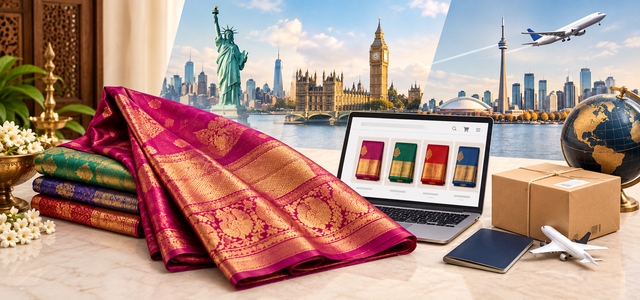
Silk has been valued in India for generations because of its rich texture, natural lustre and connection with traditional weaving. Kanchipuram silk sarees are particularly known for their craftsmanship, intricate zari work and heritage. ARRS Silks currently offers pure Kanchipuram silk sarees that are described as GI certified, Silk Mark India certified and handwoven in Kanchipuram.
What Is Pure Silk?
Pure silk is a natural fibre produced by silkworms. The fibre is spun into silk yarn and then woven into fabric. Its natural structure gives silk sarees their distinctive softness, lustre and graceful drape.
Pure silk sarees are often selected for weddings, religious celebrations, festivals and important family occasions. Kanchipuram silk sarees are a well known example of traditional Indian silk weaving.
The quality of a pure silk saree depends on several factors, including the quality of the silk yarn, weaving technique, craftsmanship, zari and finishing.
For buyers looking for authentic Kanchipuram sarees, certification and product information can provide useful clues about authenticity. ARRS Silks states that its Kanchipuram collection is handwoven and carries GI certification and Silk Mark India certification.
What Is Artificial Silk?
Artificial silk is fabric manufactured from fibres that are designed to provide an appearance or feel similar to natural silk. Depending on the product, these fibres can include rayon, viscose or synthetic fibres such as polyester.
Artificial silk sarees can have a smooth texture and attractive shine. They are generally available at a lower price than many pure silk sarees, making them suitable for buyers who want the visual appeal of silk at a more accessible price point.
However, the characteristics of artificial silk depend on the fibre used. A viscose based fabric can feel different from a polyester based fabric, so buyers should check the product description before purchasing.
Pure Silk vs Artificial Silk Sarees
The easiest way to understand the difference is to compare the characteristics that matter when buying a saree.
|
Feature |
Pure Silk Sarees |
Artificial Silk Sarees |
|
Fibre |
Natural silk fibre |
Manufactured fibre |
|
Texture |
Naturally soft and smooth |
Can vary according to fibre |
|
Shine |
Natural and refined lustre |
Often created through fibre and finishing |
|
Drape |
Fluid and elegant |
Depends on fabric composition |
|
Breathability |
Generally comfortable and breathable |
Depends on the material |
|
Durability |
Can last for many years with proper care |
Depends on fibre and construction |
|
Price |
Generally higher |
Generally more affordable |
|
Craftsmanship |
Can involve traditional handloom weaving |
Often produced using modern manufacturing methods |
|
Occasion |
Weddings, festivals and special occasions |
Everyday wear, events and budget conscious purchases |
|
Maintenance |
Requires careful storage and handling |
Usually easier to maintain, depending on fabric |
1. Fibre Composition
The biggest difference between pure silk and artificial silk is the fibre itself.
Pure silk uses natural silk fibre. Artificial silk uses manufactured fibres that are designed to recreate some characteristics of silk.
When purchasing a saree online, always check the fabric composition mentioned in the product description. The word silk in a product name does not automatically mean that the entire saree is made from pure silk.
2. Texture and Feel
Pure silk has a distinctive smooth and soft feel. When you move a pure silk saree, the fabric generally feels rich and fluid.
Artificial silk can also feel smooth, but the exact texture depends on the material used. Some synthetic fabrics can feel slightly different from natural silk when handled.
Texture alone should not be treated as conclusive proof of authenticity. Product certification, fabric details and seller information are more reliable when purchasing a valuable saree.
3. Natural Lustre
One of the most recognisable characteristics of silk is its natural lustre.
Pure silk reflects light in a softer and more refined way because of the structure of the silk fibres. Artificial silk can have a brighter or more uniform shine depending on how the fabric is produced and finished.
This difference can be easier to notice when two fabrics are placed side by side under the same lighting.
4. Drape and Comfort
Pure silk generally has a graceful drape that works particularly well for traditional sarees. The fabric can create an elegant fall around the body while maintaining its rich appearance.
Artificial silk can also drape beautifully, but the result depends on the fibre, fabric weight and weaving method.
For long wedding ceremonies or festive occasions, comfort and fabric weight are important factors to consider along with appearance.
5. Durability
High quality silk sarees can remain part of a family wardrobe for many years when stored and maintained correctly.
Traditional Kanchipuram sarees are especially valued for their weaving quality and durability. ARRS Silks describes its Kanchipuram collection as being handwoven in Kanchipuram and made with pure mulberry silk and traditional weaving techniques.
Artificial silk can also be durable, but longevity depends heavily on the fibre composition, construction and care.
6. Price
Price is another noticeable difference between pure silk and artificial silk sarees.
Pure silk usually costs more because the natural fibre, weaving process, craftsmanship and zari can contribute significantly to the final price.
Artificial silk generally costs less because manufactured fibres can be produced at a lower cost.
However, price alone should not be used to determine whether a saree is genuine. Look at fabric composition, certification, weaving details and the reputation of the seller.
How to Identify a Pure Silk Saree
Knowing how to identify a pure silk saree is important when making a higher value purchase.
Check the Fabric Details
Start by checking the product description for the exact fabric composition. Look for clear information about the silk used in the saree.
Look for Silk Mark Certification
Silk Mark India certification can help consumers identify genuine silk products. If certification is important to you, check whether the saree carries appropriate certification details.
ARRS Silks highlights Silk Mark India certification across its pure silk collection.
Check GI Information for Kanchipuram Sarees
For buyers specifically looking for authentic Kanchipuram silk sarees, GI information is another useful consideration.
GI certification relates to the geographical origin and recognised characteristics of products associated with a particular region. ARRS Silks identifies its Kanchipuram collection as GI certified and handwoven in Kanchipuram.
Examine the Weaving
Traditional silk sarees often feature detailed weaving, borders, motifs and zari work. In Kanchipuram sarees, the construction and craftsmanship are important parts of the saree's identity.
Consider the Seller
Buy from a seller that provides clear information about fabric composition, certification, weaving origin, zari and care instructions.
Is Pure Silk Better Than Artificial Silk?
Pure silk can be a better choice when you value natural fibre, traditional craftsmanship, long term use and the heritage associated with silk sarees.
Artificial silk can be a practical choice when your priority is a lower purchase price, a silk like appearance or a saree for occasional use.
The right choice depends on your occasion, budget, expected usage and preference for natural fabrics.
Which Silk Saree Is Best for Weddings?
Pure silk sarees are a popular choice for weddings because of their rich appearance, traditional significance and elegant drape.
Kanchipuram silk sarees are particularly associated with South Indian weddings. Their combination of silk, zari, traditional motifs and skilled weaving makes them a strong choice for bridal and family wedding wardrobes.
ARRS Silks has a dedicated collection of pure Kanjivaram silk sarees and currently lists wedding focused pure silk options.
Pure Silk vs Artificial Silk: Which Should You Buy?
If you are purchasing a saree for an important wedding or family occasion and want natural silk with traditional craftsmanship, a pure silk saree is worth considering.
If you need an affordable saree with a silk like appearance for occasional or regular use, artificial silk may suit your requirements.
Before purchasing, consider these five points:
- Check the fibre composition.
- Look for relevant certification.
- Check the weaving origin.
- Compare the saree's craftsmanship and zari details.
- Choose according to your occasion and budget.
Why Kanchipuram Pure Silk Sarees Are Special
Kanchipuram has a long standing connection with silk weaving. Authentic Kanchipuram sarees are recognised for their rich silk, detailed zari work, traditional motifs and skilled craftsmanship.
ARRS Silks currently describes its Kanchipuram collection as handwoven in Kanchipuram and highlights GI certification and Silk Mark India certification. Its collection includes pure Kanchipuram silk sarees in colours and designs suited to weddings and celebrations.
For shoppers searching for Kanchipuram pure silk sarees, these details can make the buying decision easier because they provide information about the fabric and origin rather than relying only on appearance.
Frequently Asked Questions
Is pure silk better than artificial silk?
Pure silk is made from natural silk fibre and offers a distinctive texture, lustre and drape. Artificial silk is made from manufactured fibres and can provide a similar appearance at a lower price.
How can I identify a pure silk saree?
Check the fabric composition, Silk Mark certification, product details, weaving information and seller credentials. Texture and shine can provide clues but should not be the only method used to verify authenticity.
Are artificial silk sarees good for weddings?
Artificial silk sarees can work well for guests and occasions where affordability and appearance are priorities. For a traditional bridal saree or an heirloom purchase, many buyers prefer pure silk.
Why are pure silk sarees expensive?
The cost can reflect the natural silk fibre, weaving process, craftsmanship, zari work and time involved in producing the saree.
Are Kanchipuram sarees made from pure silk?
Authentic Kanchipuram silk sarees are traditionally associated with pure silk and zari weaving. When buying online, check the product details and certification provided by the seller.
Which is easier to maintain, pure silk or artificial silk?
Artificial silk can be easier to maintain depending on the fibre used. Pure silk generally requires more careful handling, cleaning and storage to preserve its quality.
Is expensive silk always pure silk?
No. Price alone does not establish authenticity. Always check fabric composition, certification, weaving information and seller credentials.
Conclusion:
The difference between pure silk and artificial silk sarees comes down mainly to fibre composition, craftsmanship, texture, lustre, durability, maintenance and price. Pure silk offers the characteristics of natural silk and is particularly suited to weddings, festivals and special occasions. Artificial silk provides an accessible option for buyers who want a silk like appearance at a lower price.
If you are looking for an authentic traditional saree, pay attention to the fabric composition and certification rather than judging the saree only by its shine or price. For Kanchipuram silk, information about GI certification, Silk Mark India certification and weaving origin can also help you make a more informed purchase. ARRS Silks currently highlights these attributes across its pure Kanchipuram collection.